The Power of Film
(and the Comfort of Diagrams)
by Jaron Summers © 2025
When I first encountered Howard Suber’s The Power of Film, I had a reaction I’ve learned to trust: admiration followed by a small, creeping unease.
Suber was saying things screenwriters are not always eager to hear—chief among them that stories are not moral vending machines, heroes are rarely pure, and villains often have better arguments.
It was bracing, unsettling, and entirely reasonable.
It also reminded me, unexpectedly, of Syd Field.
This may seem an odd pairing. Field and Suber are usually described as opposites: Field the structural engineer, Suber the moral philosopher. But I knew Syd personally. I flew him to Alberta twice to lecture in Edmonton when I was director of the TV and Film Institute of Canada, and I watched him work with writers in real time.
What struck me then—and still does—is that Syd was not selling formulas. He was offering reassurance.
Syd Field arrived at a moment when writers were desperate for a map. Hollywood had become a maze of opinions, notes, and contradictory advice, and Field calmly stepped forward with a ruler and a pencil and said, in effect, “Relax. Stories move. Here’s how.”
First act. Second act. Third act.
Turning points like mile markers on a long drive. Writers clung to that structure the way a nervous swimmer clings to the side of the pool. This was not foolish. Syd gave writers permission to finish things. He believed structure was mercy.
He also, it should be noted, believed in emotion. Syd would routinely weep—openly, unapologetically—during the last five minutes of his seminars. This was not performative. This was a man who had seen Casablanca too many times and still hadn’t built up an immunity.
Structure, for Syd, was not the enemy of feeling. It was how you got there without drowning.
Howard Suber, by contrast, was not particularly interested in mercy.
Suber didn’t care if your second act sagged; he assumed it would. What concerned him was why your story existed at all. In The Power of Film—and later in the six PBS episodes that carried his ideas into living rooms—Suber dismantled the comforting notion that drama is about good versus evil.
Drama, he insisted, is about competing goods. About choices that cost something. About characters who may be right and wrong at the same time.
I’ve often thought Suber was the first teacher to bring something like quantum mechanics into the writers’ room. His stories behave less like classical physics and more like subatomic particles—capable of being right and wrong at the same time, depending on where you stand and how closely you look.
Observe the character one way and he’s a hero. Observe him another and he’s the problem. Suber didn’t find this troubling. He found it honest.
This unsettles writers who want clean answers. Suber offered none. He suggested, instead, that ambiguity is not a flaw in storytelling but its natural state—and that anyone promising certainty is probably selling something.
If Field taught writers how not to get lost, Suber taught them what to do once they realized they were.
There is quiet comedy in this difference. Field’s classroom sent students home clutching index cards and plot points, reassured that salvation lay somewhere around page twenty-five. Suber’s students went home structurally intact but morally unsettled, unsure whether their protagonist deserved to win or merely survive.
And yet—and this is the part often overlooked—the two men shared more ground than their reputations suggest.
Both believed that stories must change. Both believed conflict cannot be decorative. Both distrusted empty spectacle. And both understood, perhaps better than studio executives, that audiences are not fools.
They can smell dishonesty in a narrative the way dogs smell fear.
The difference was emphasis. Field asked, “Does it work?” Suber asked, “What does it mean?” One focused on movement, the other on consequence. One taught you how to build the bridge; the other asked who the bridge was really for.
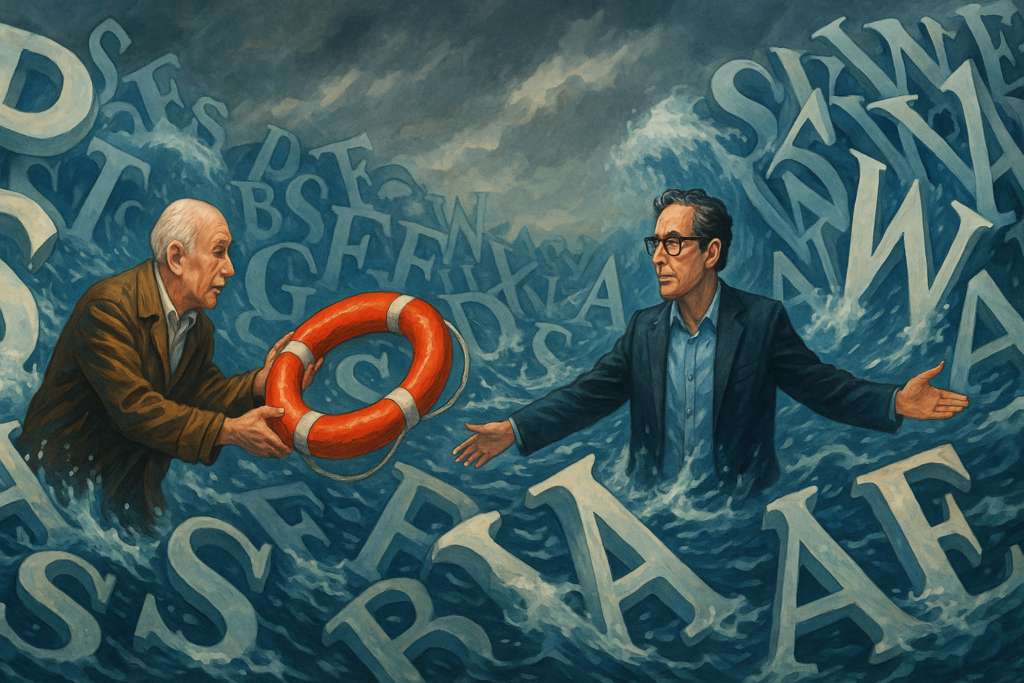
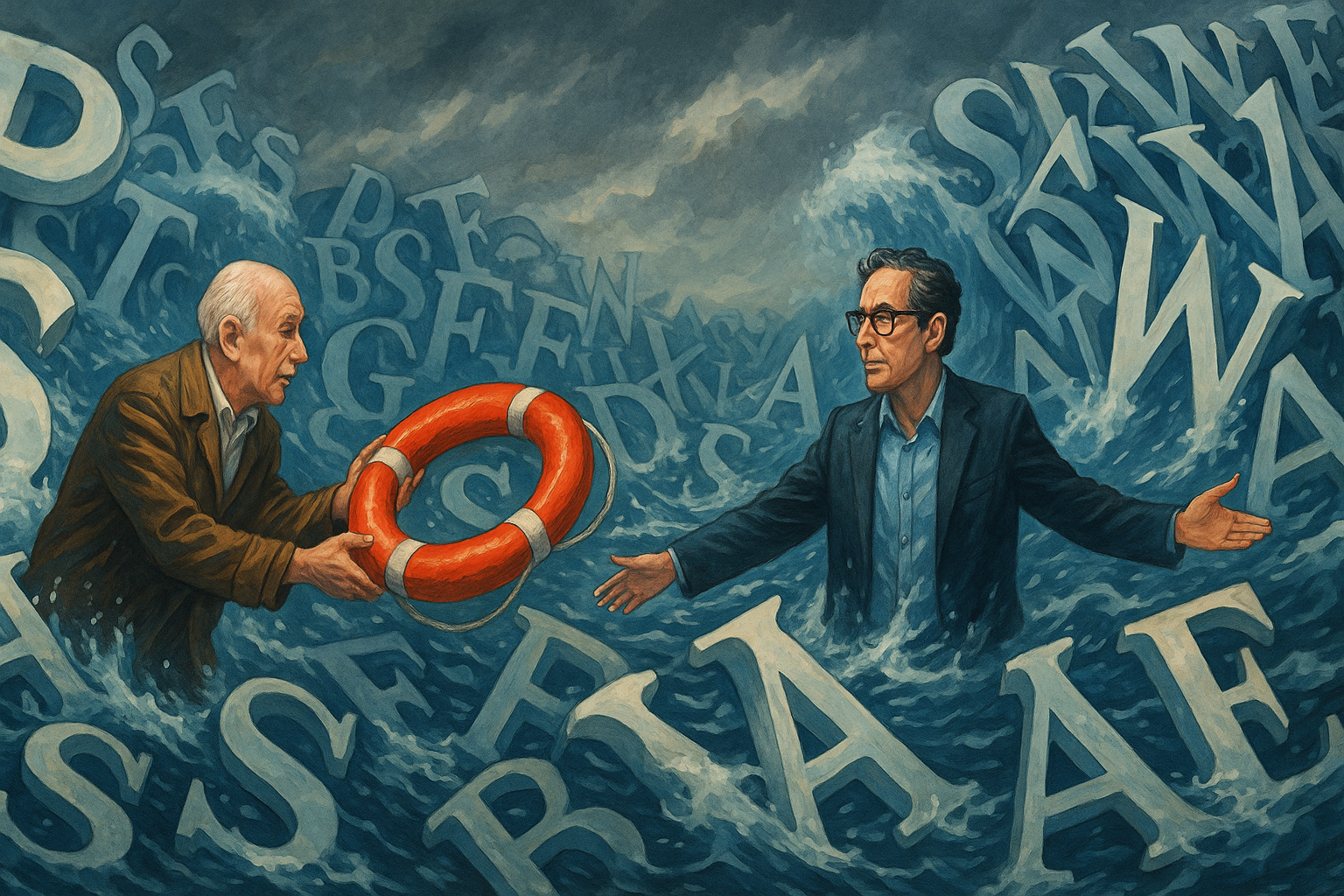
Writers, of course, prefer certainty. They like rules. They like checklists. Syd Field offered a life raft. Howard Suber offered an ocean and said, “Swim.”
The truth is, you need both. A story without structure collapses. A story without moral tension becomes choreography—technically impressive, emotionally hollow.
The films we remember, argue about, and quietly steal from obey structure while undermining certainty.
Syd Field taught us how to tell a story.
Howard Suber reminded us why we should be careful when we do.
And if you’re lucky, you learn from both—before the elephant lies down, starts crying, and refuses to move at all.