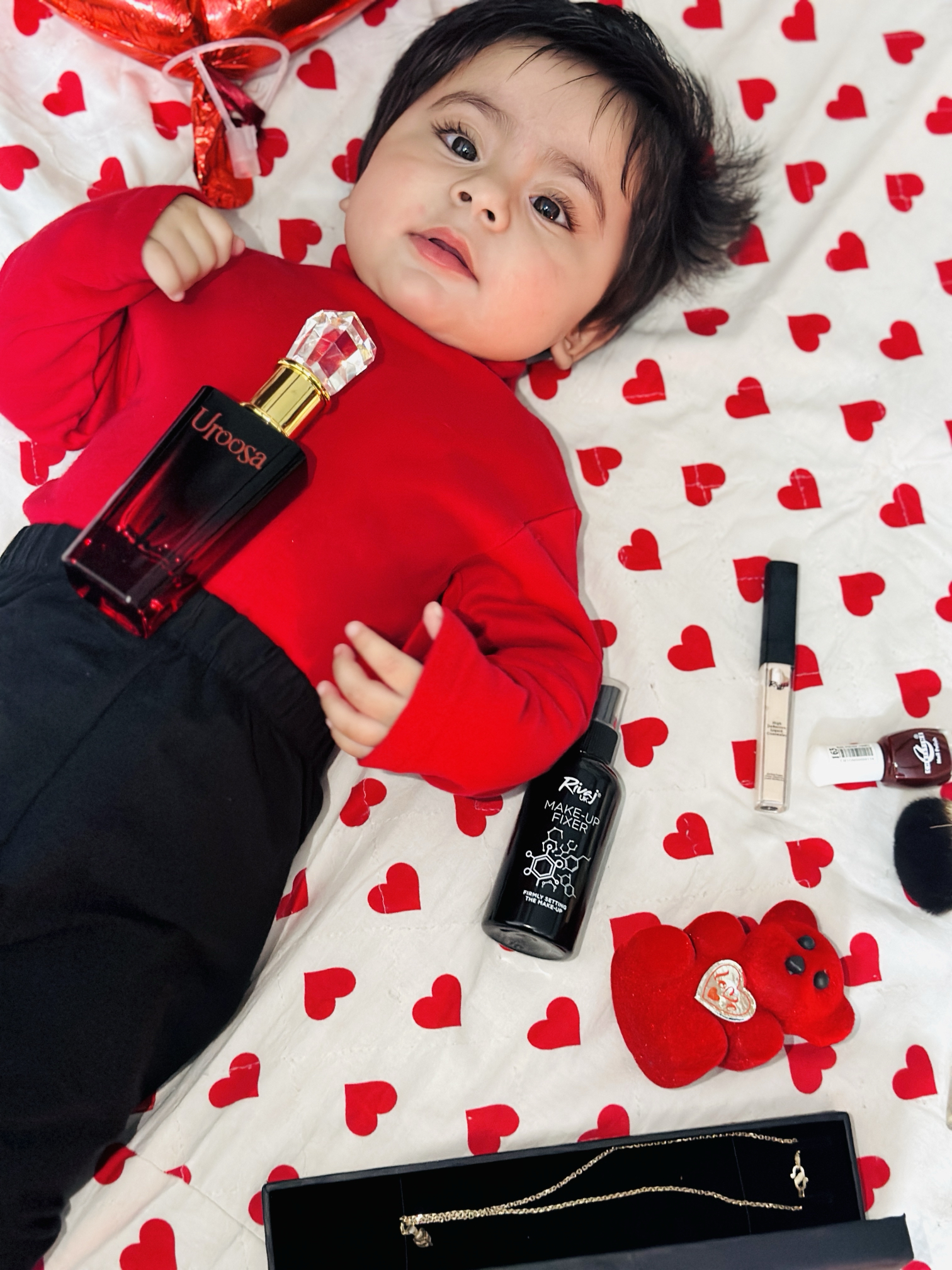
Gold in the Dust
When Zara turned twenty-one, she decided she was finally old enough to ask the forbidden question—the one everyone tiptoed past like a sleeping goat:
“How come I have a gold necklace? We’re not exactly the ‘bling’ family.”
It was late evening, the gentle hour when brave questions creep out and sit on the edge of your bed. Her mother laughed, a warm, familiar laugh that had soothed colicky nights, stubborn homework sessions, and one regrettable haircut.
“Sit, my daughter. You are old enough now to hear a story that makes no sense… until it suddenly does.”
Zara sat, expecting a harmless tale about a distant uncle, a miracle coupon, or a generous neighbor who mistook them for someone rich.
She was wrong.
“A lifetime ago,” her mother began, “there lived a writer on the far side of the world.”
“A famous one?” Zara asked hopefully.
“No—worse,” said her mother. “He was almost famous. Do you know how unstable that is? Famous writers get entourages. Almost-famous writers get ideas. It turns them generous, unpredictable, and slightly allergic to deadlines.”
This writer—whose name had more vowels than should be legal—had friends in Pakistan. Good friends. The kind who return your Tupperware on time and in better condition than when they borrowed it.
Those friends had just welcomed a baby girl.
“Me?” Zara squeaked.
“Yes,” her mother nodded proudly, “you, my glittering pickle.”
Now, in Pakistan, it’s traditional to give a newborn a tiny piece of gold—part blessing, part good-luck charm, part miniature savings account. So one day the writer declared:
“A new baby deserves gold!”
We told him, “Sir, we barely know you—”
But he waved us off the way a man who routinely loses umbrellas waves off sensible advice, and said, “It’s tradition in your culture. I will send dollars.”
And he did.
So Zara’s parents marched to the gold street—a sun-bleached slice of heaven where twelve goldsmiths hammer, sweat, and argue about cricket while molten metal glows like a tiny sunrise.
There’s even an old woman who sweeps the street daily, gathering gold dust the way dragons gather treasure. Except she sells hers to the smelter and uses the money to send her kids to university. (Aunties don’t play.)
It’s the sort of street where gold behaves like gossip: sticky, sticky, sticky.
Zara’s parents bought a tiny bracelet, her name carved in, her destiny still buffering. They presented it during her Aqeeqah at eighteen days old, where she slept straight through her own ceremony like a monarch who requires twelve hours of beauty rest and no interruptions.
“Years later,” her mother continued, “we did some website work for that same writer. He paid more than the job was worth.”
“Why?” asked Zara.
“Because he believed in fairness. And paying on time. And possibly because he had no idea what things cost in Pakistan.”
It was enough for another gram of gold. A second treasure for Zara—quiet, shiny, slightly smug.
The writer didn’t say anything poetic—writers rarely do in real life. He simply muttered, “Buy the girl something shiny.” He was probably busy wrestling with a misbehaving sentence.
The gold sat in a drawer for years like a polite guest waiting to be offered tea.
Zara nodded slowly. “So it wasn’t charity.”
“No.”
“It wasn’t obligation.”
“No.”
“It was… kindness for the sake of kindness?”
“Yes. And that is the only kind that doesn’t give you heartburn.”
She considered this. “What happened to the writer?”
Her mother shrugged. “Oh, he wandered off. Writers do that. They disappear into their stories like socks in a washing machine.”
“But before he vanished,” her mother added, “he said something strange.”
“What?”
Her mother recited it dramatically, like quoting a prophet—or a man who was very pleased with himself:
“If a stranger gives a child a gift and wants nothing in return, the gift will multiply forever.”
Zara touched her bracelet. It suddenly felt heavier—like it had swallowed a little light.
She decided then that multiplying kindness sounded like a lovely hobby.
So Zara began planting roses. Hundreds of them. Then she gave them away—to neighbors, to strangers, to grumpy shopkeepers, to people who clearly needed a flower and a nap.
And that is how Zara grew older, wiser, and considerably more sparkly—proving once again that kindness, like gold dust, gets everywhere.
She glanced down at her gold bracelet and whispered, “So… does this mean I’m rich?”
“In all the ways that matter,” her mother said, kissing her forehead.
Zara nodded thoughtfully. But she still liked the necklace, too.